
Beginner’s Guide to Buying Your First Motorcycle
Beginner’s Guide to Buying Your First Motorcycle. Buying your first motorcycle is an exciting milestone, but it can also feel overwhelming if you’re not sure where to start. With so many styles, brands, and features available, it’s easy to get caught up in the excitement and overlook the essentials.
This guide will walk you through the key factors to consider before purchasing your first motorcycle, ensuring you make a smart, safe, and satisfying choice.
1. Ask Yourself: Why the Open Road?
Before you dive headfirst into browsing bikes—the shiny listings, the cool dealerships—take a breath and ask yourself the most important question: Why do I want a motorcycle in the first place?
It sounds simple, but your real reason for getting on two wheels will be the ultimate guide to your perfect machine. Is the bike going to be your trusty workhorse for the daily grind, saving you a few bucks on gas? Are you picturing epic weekend escapes and long stretches of pavement? Maybe your heart belongs off-road, tackling trails and mud? Or perhaps you’re simply excited to learn a new skill and find the pure joy of the ride.
Get honest about that goal. It’s the difference between buying the wrong bike that sits in the garage and buying the one that you’ll love for years.
2. Now, Let’s Meet the Family!
Okay, you’ve clarified your “why”. The next step is understanding that not all motorcycles are created equal. In fact, they come in a dazzling variety of styles, each designed for a completely different adventure. Therefore, before you get your heart set on a specific model, it helps to know the basic categories:
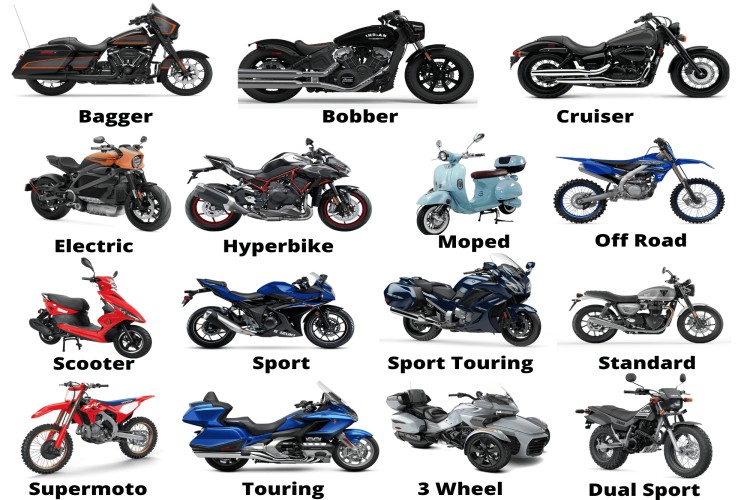
Standard/Naked Bikes:
Simply put, these are your all-around good guys. They offer easy, upright handling, making them fantastic for beginners and everyday riding.
Cruisers:
You know the look: low seats, relaxed styling, often associated with names like Harley-Davidson. Consequently, they’re ideal for comfy, laid-back city cruising and soaking up the scenery.
Sport Bikes:
On the flip side, these are the speed demons. They have an aggressive riding posture and lots of power, meaning they’re generally not the best place for a beginner to start out due to their demanding handling.
Touring Bikes:
Alternatively, if your goal is long-haul comfort, look here. They are built specifically for eating up highway miles, though keep in mind they tend to be heavier and carry a bigger price tag.
Adventure/Dual Sport:
Meanwhile, these versatile machines are designed to conquer both pavement and dirt trails. However, they often sit a bit taller, which requires a more advanced rider.
Scooters/Mopeds:
Finally, these little guys are lightweight and easy on gas. Because of this, they are the ultimate urban commuter or the perfect entry point for brand-new learners.
3. Get the Skills First: Sign Up for a Safety Course
Seriously, don’t even think about buying a bike yet. This is arguably the most important step: enrol in a proper motorcycle safety course.
Why? For one thing, in many places, including most U.S. states, it’s a mandatory requirement just to get your motorcycle licence or endorsement. More importantly, though, this course is where you learn the essentials you need to stay safe on the road. You’ll be taught basic riding and defensive strategies by pros, giving you the foundation of skill and confidence.
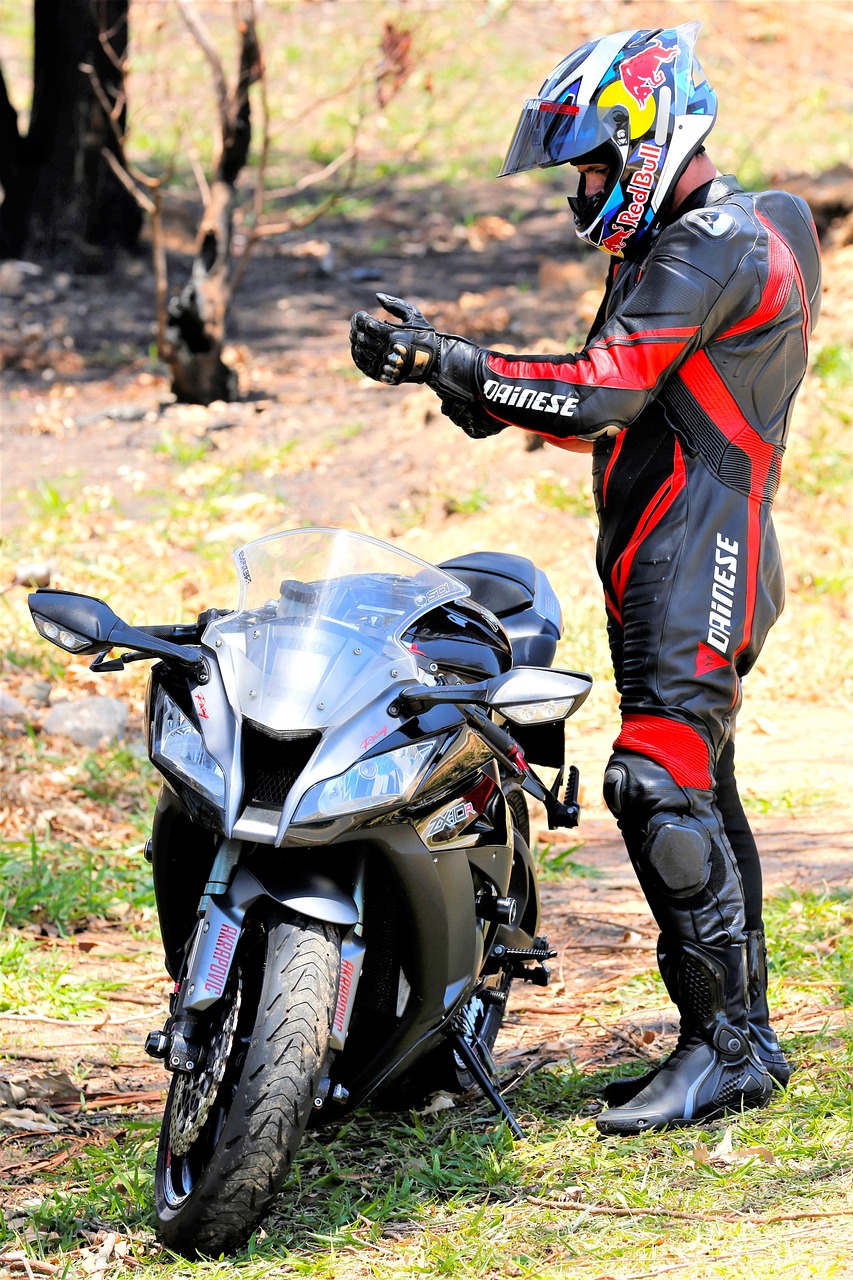
A massive bonus is that these classes often let you try different bikes, so you get some seat time before committing to a purchase. Plus, as a nice little incentive, completing the course can often qualify you for a discount on your motorcycle insurance.
Look into resources like the MSF (Motorcycle Safety Foundation) or your local government’s licensing authority to find classes available in your area—it’s the best investment you can make in your riding future.
4. Set a Realistic Budget (Bike + Gear + Costs)
Buying your first motorcycle isn’t just about the bike itself. Here’s what your full beginner motorcycle budget should include:
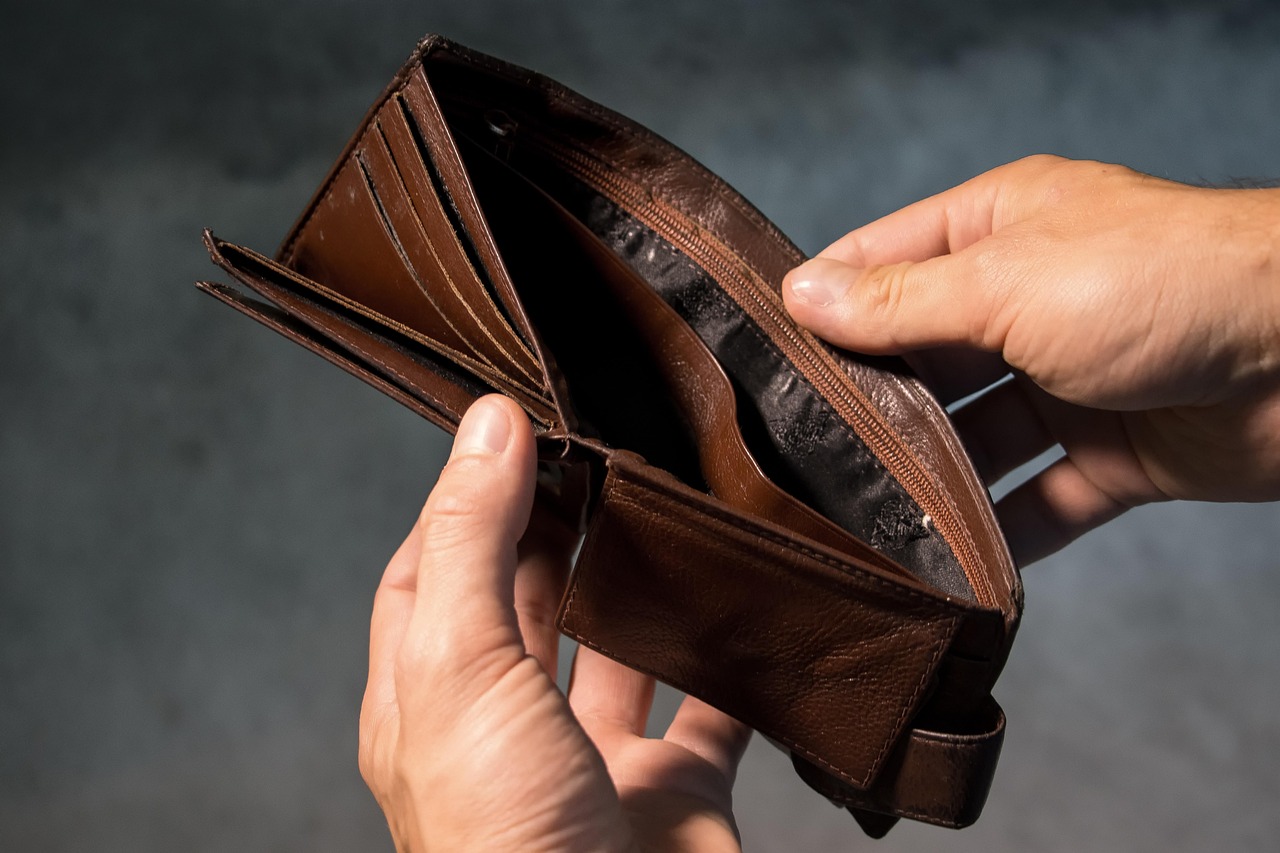
Motorcycle: New beginner bikes typically range from $4,000 to $8,000. Used bikes can often be found for less than $3,000.
Protective Gear: Helmet, jacket, gloves, boots, and pants – expect to spend $500–$1,500 for quality, essential gear. (Note: Some riders may pay more, with high-end gear easily pushing the total toward or over $2,000).
Insurance: Rates vary significantly based on your age, bike type, location, and coverage level.
Liability-only insurance can be around $200–$500 per year.
Full coverage can range from $400 to $1,500+ annually.
Maintenance & Registration: Oil changes, tyres, and inspections should be budgeted yearly.
Routine maintenance (including oil changes, etc.) can often average around $500–$1,000 per year, depending on the bike and how much you ride.
Tyre replacement can cost $300–$600 per set and is needed more frequently than on a car.
Registration fees typically range from $50 to $200 annually.
Other Potential Costs to Budget For:
Licensing & Training: The cost of the written exam, riding skills test, and potentially a mandatory beginner rider course (often $100–$300) should be included.
Safety Accessories: Items like a quality lock/disc lock and a motorcycle cover for storage.
Dealer/Title Fees: If buying new or through a dealer, expect taxes, title, and dealer prep/documentation fees.
5. You Have to Take a Test Ride!
A motorcycle can look amazing in a showroom, but once you sit on it, you might realise it feels all wrong. This is the most crucial step—you wouldn’t buy a pair of shoes without trying them on, right? Treat the bike the same way.
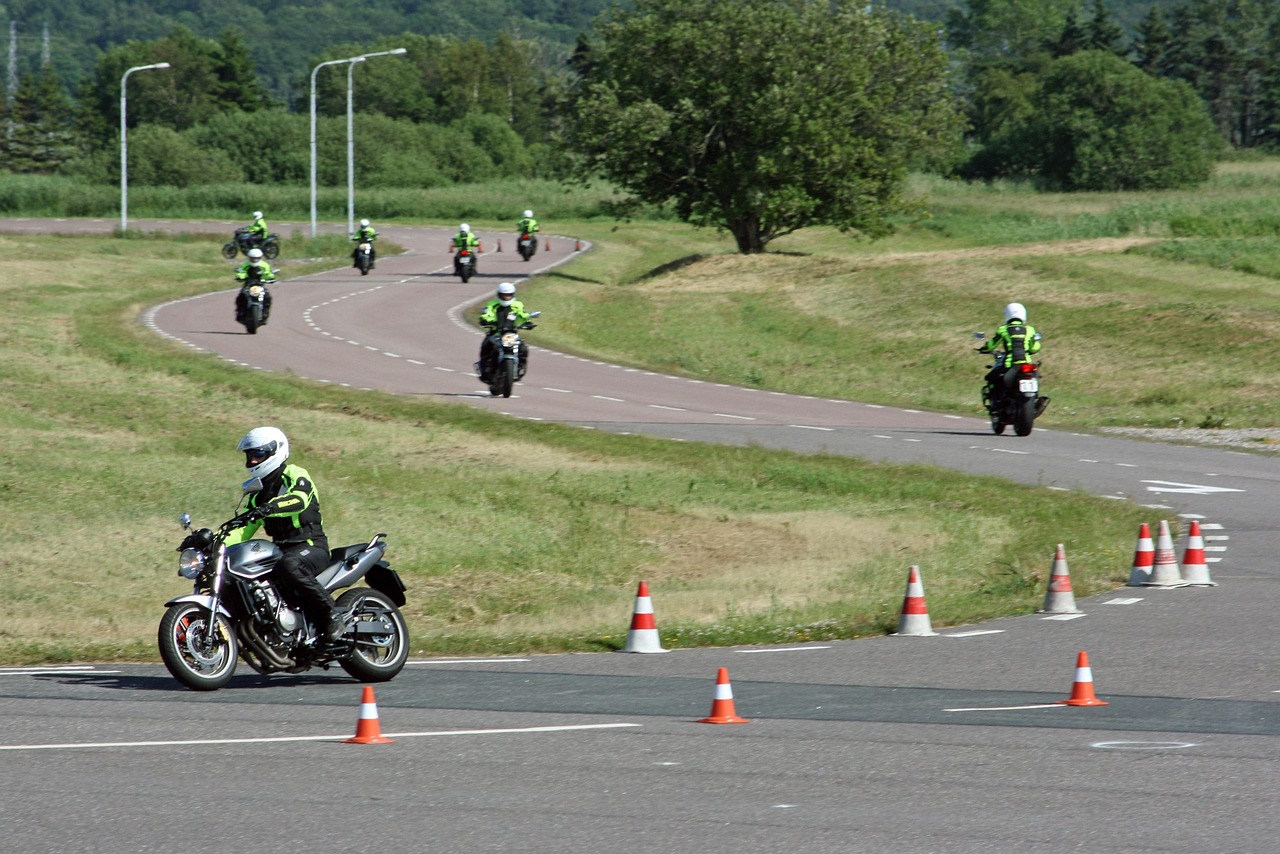
Before you hand over any cash, try to sit on (and ideally, ride!) several models. Pay close attention to these three things:
Can You Touch the Ground? (Seat Height): This isn’t just about comfort; it’s about control. At a stoplight or when pulling into a parking spot, you need to feel solid and secure with your feet flat or nearly flat on the pavement. If you’re constantly on your tiptoes, that bike is too tall, and it will kill your confidence.
Can You Manage the Weight? Get the bike off the kickstand and rock it a bit. Can you easily manage its weight while walking it, pushing it backward, or holding it upright at a stop? A bike that feels light and manageable at zero miles per hour is the perfect training partner. Beginner’s Guide to Buying your First Motorcycle
How’s Your Posture? (Handlebar Position): You want to be upright and relaxed, not stretched out like a race car driver. Your first bike should feel easy to ride, not like a workout. If your arms strain or your back hunches, keep looking. Beginner’s Guide to Buying Your First Motorcycle
The Golden Rule: The right bike should feel like a natural extension of your body, not like a machine you are wrestling. If a bike feels intimidating, walk away. There are hundreds of great, friendly bikes out there waiting for you.
6. Don’t Skip the Insurance Talk
Let’s be real: buying insurance isn’t the most exciting part of getting a bike, but it’s the shield that protects your bank account. As a new rider, your rates will be calculated based on a few key factors that tell the company how risky you are:
Your Personal Stats: They look at your age and your driving record. If you’re young or have a few speeding tickets, the premium will likely be higher. As you get older and keep a clean record, it comes down.
The Bike Itself: A small, beginner-friendly cruiser costs much less to insure than a brand-new, high-horsepower sportbike (which insurers see as a magnet for accidents).
Where You Live: If you live in a big city with high traffic and crime rates, your policy will cost more than if you’re out in a quiet rural area.
What Coverage You Really Need
While the law typically only requires liability (which pays for the other person’s damages if an accident is your fault), you should seriously consider full coverage for your first bike:
Comprehensive & Collision: This is “full coverage”, and it’s critical for a new purchase. Collision covers the damage to your bike if you crash (into a car, a guardrail, a tree—it doesn’t matter). Comprehensive coverage includes everything else—like situations where someone steals your bike, vandalises it, or damages it in a fire. ndalises it, or damages it in a fire. You want this protection, especially if you have a loan.
Accessory Coverage: If you buy an expensive helmet, a sweet leather jacket, or put custom parts on your bike, this coverage protects your gear and upgrades.
The Smart Shopping Tip
The prices for the exact same coverage can be wildly different from one company to the next. Never settle for the first quote! Take an hour and call a few different companies or use an online comparison tool. It’s the easiest way to save a few hundred dollars right off the bat. Beginner’s Guide to Buying your First Motorcycle
Final Thoughts: Welcome to the Club!
Look, buying your first motorcycle is about way more than just handing over some cash. It’s a true lifestyle shift—it’s trading four wheels and a roof for open air and adventure.
You’ve got the knowledge now! With the right planning (like picking a smart bike), the right training (like that safety course), and a strong safety mindset, you are totally ready to enjoy the freedom of the road.
Don’t rush this process. Take your time, trust your gut, and don’t be afraid to ask a million questions at the dealership or online.
Remember this above all else: the best first bike is the one that keeps you safe, builds your confidence, and makes you look forward to every single ride.
See you out there!